Showing posts with label Artistic. Show all posts

Sunday, 4 May 2014

Matt Molloy

A photographer I have recently discovered is Matt Molloy, whose ‘time stack’ work is inimitable. When first reading the term ‘time stack’, it was easy to link the reference to star trail photographs. However, I discovered that this term can also refer to time stacks created during the daytime!

Photograph by Matt Molloy
In a blog titled ‘Tutorial: Time Stack’ published by Alexandra Kim, Molloy has generously shared how he achieves the time stack technique. He describes how to create time stacks, time-lapse source material needed and stacking multiple photos into one image. He has also provided a YouTube video, which visually shows you the time stack process. See the following link to watch the video and read how to create your own time stack: http://500px.com/blog/1051/tutorial-time-stack

'Smeared Sky' by Matt Molloy
Describing the ‘Smeared Sky’ image, Molloy states that it was ‘made from 500 photos, [and] is the first sunset time-lapse I tried the stacking method with. I was surprised with the outcome, but even more so with the feedback. It wasn't long before it went viral. I was getting lots of emails, some asking questions about the technique and others hoping to share it on their website or blog. Milky Way Scientists shared it on their Facebook page, and it got 12,000 likes and 4,000 shares on the first day it was up. I was blown away!’ (http://www.dpmag.com/how-to/shooting/time-collapse.html#.U2TX0I2KDug)

'Sunset Spectrum' by Matt Molloy
One of my favourite photographs created by Molloy is ‘Sunset Spectrum’. It displays an open field with a barn situated to the left side of the frame. The colours in the sky are beautiful; rich and vivid. It appears as if an artist has painted layer upon layer of numerous colours to create texture, perspective and an almost three-dimensional canvas painting.

I am intrigued by this style of photography. It is a wonderful concept that is contemporary, unique and innovative. By posting this work for public viewing, Molloy has been an inspiration to many.  His work not only challenges photographers to experiment with time stacking processes, but also encourages those who view his works, to journey into previously unknown creative realms. I am one who has been inspired. It is definitely a current emerging trend which I believe will grow increasingly popular in the years to come.

The following is a link to his website: http://500px.com/MattMolloy

Some more photographs by Matt Molloy:


Photograph by Matt Molloy


Posted by Chelsea

Saturday, 3 May 2014

Caryn Esplin

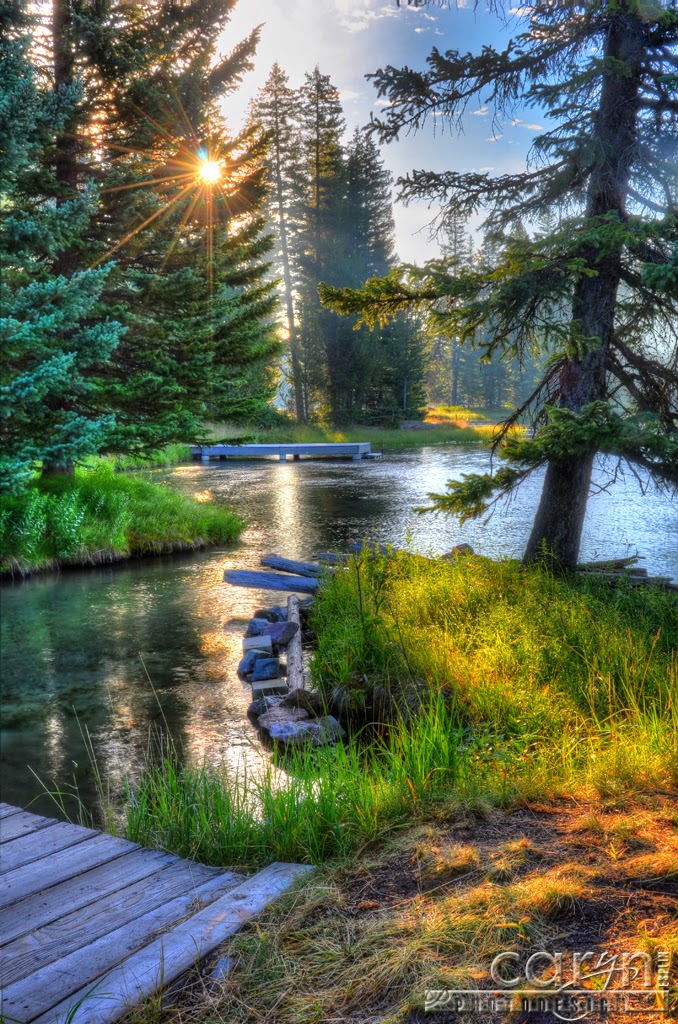
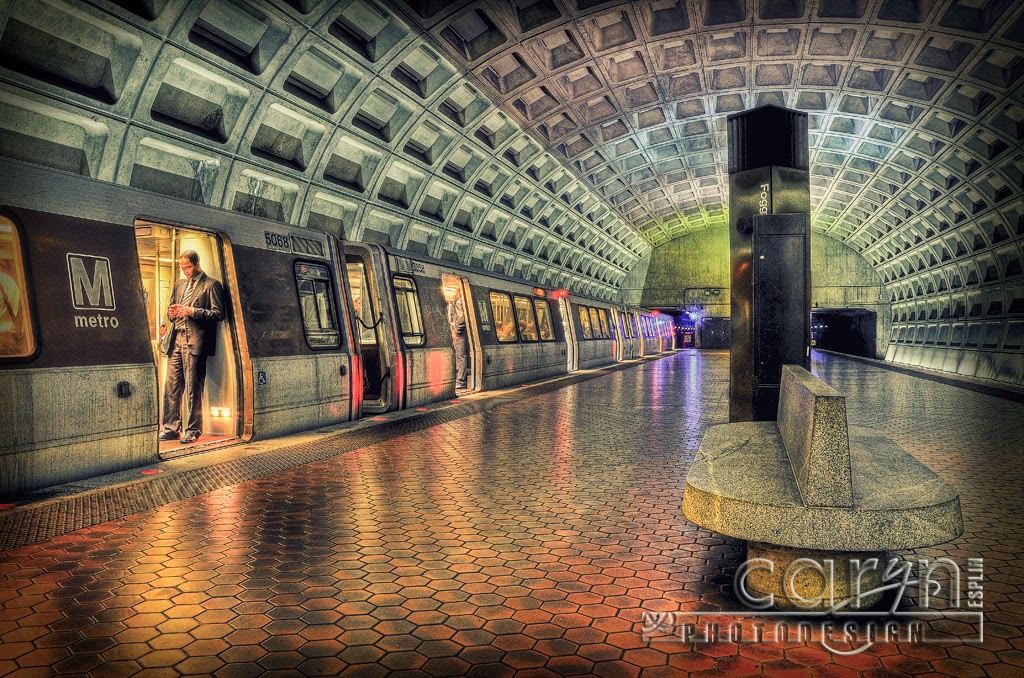
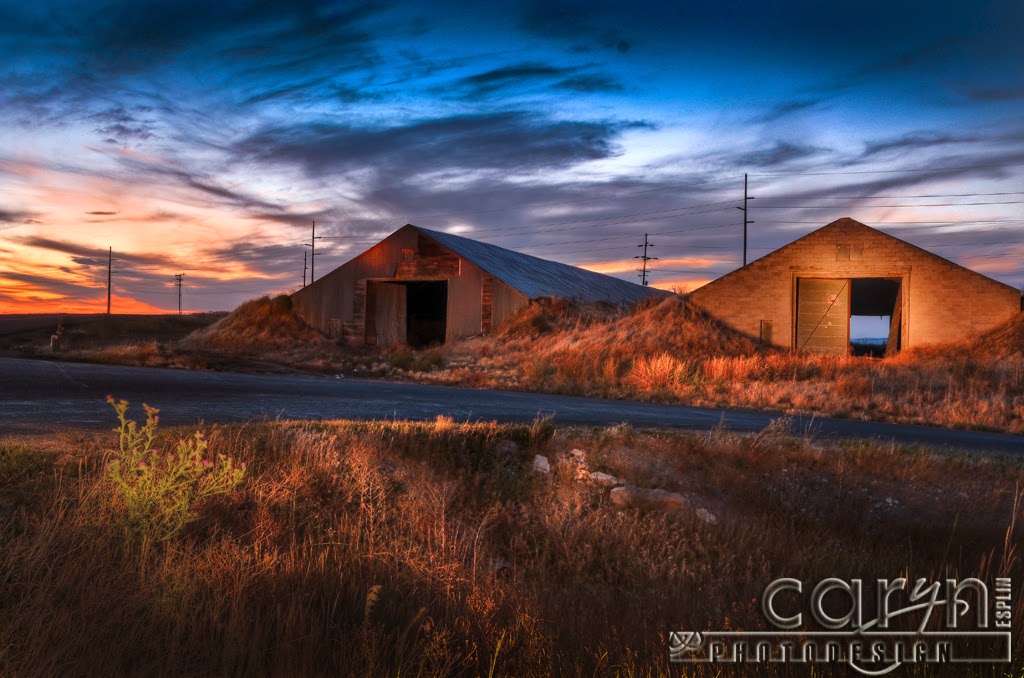
Photograph by Caryn Esplin
High Dynamic Range, or HDR for short, is becoming a widespread technique used by photographers, such as Caryn Esplin, who are keen to try their hand at distinctive creativity. This technique is also available to iPhone, as well as some Android users, where a HDR feature has been built-in to the phone’s camera capabilities. There is also the option to download the ‘Pro HDR’ app from App Stores.

As a talented and imaginative photographer, Esplin has taken photographic techniques, such as light painting and HDR, and combined them to create remarkable and effective photographs. Her portfolio also covers Macro, People, Places and Things. Esplin states that ‘photography and graphic design are some of my favourite distractions in life, so teaching something I love, couldn't be any better.’ (http://www.carynesplin.com/blog/)

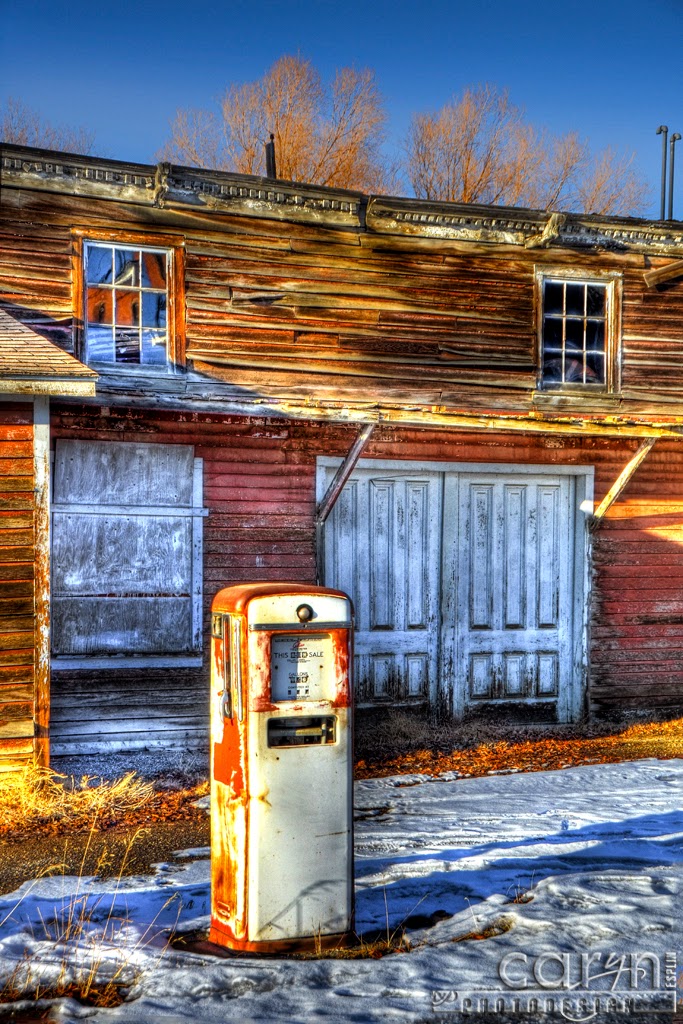
Photograph by Caryn Esplin
Esplin’s website not only showcases her work but also explains what goes on behind-the-scenes. Periodically, she explains the story or reason behind her images, how she achieved the end results and includes a step-by-step guide to assist others achieve similar outcomes. I believe that by sharing this additional information, it indicates Esplin’s willingness to disclose the ‘secret’ techniques and thought process behind her photographs. Many photographers do not explain the process required to achieve their end results, so perhaps this signifies a new trend which Esplin has started, encouraging other photographers to also share their artistic reasoning with others.

Many areas of photography are adopted by Esplin, however, one particular style to which I am drawn is the HDR photographs. These images are created by obtaining a few, or several, photographs at different exposures, then manipulating these images in a program by ‘layering’ one on top of the other. HDR can produce somewhat surreal or futuristic effects, which appear almost imaginary or pretend.

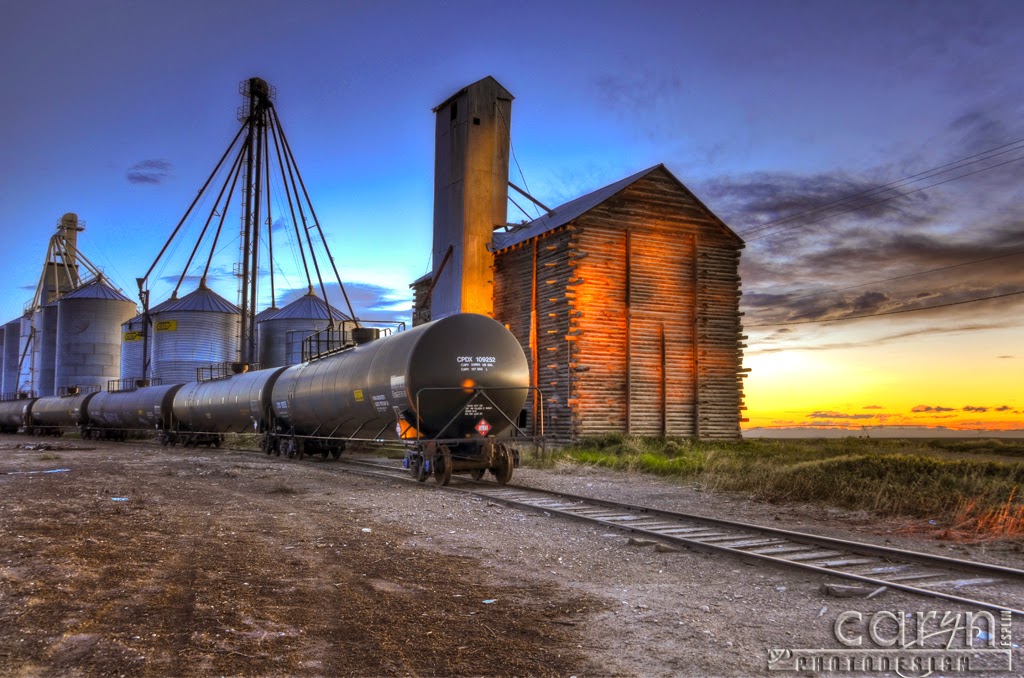
Photograph by Caryn Esplin
One particular photograph features a train and track situated in front of a large wooden building and silos. The resulting effects are produced by using a combination of techniques such as bracketing, light painting, HDR and Camera Raw. Esplin states that she achieved this result by firstly setting up her camera on a tripod at sunset and taking three exposures, also known as bracketing. Next, she painted the facing side of the large building in the foreground, with a light source. Esplin then opened the images in a program called Photomatix to achieve the HDR effect. Lastly, she edited the colours in Camera Raw. All of these steps combined create an interesting concept and effective images. Visit this link to learn more about how Esplin achieved her final result: http://www.carynesplin.com/bracketing-light-painting-hdr-camera-raw/

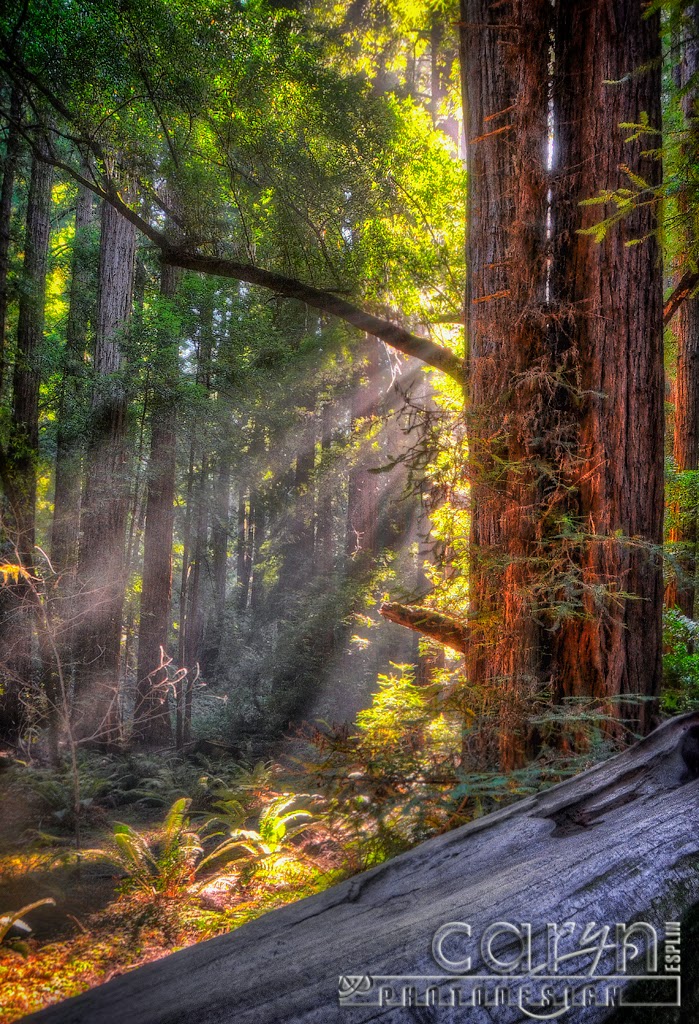
The following are a few more photographs by Caryn Esplin:

Photograph by Caryn Esplin

Photograph by Caryn Esplin


Posted by Chelsea

Saturday, 26 April 2014

Levi Van Veluw

Levi Van Veluw


Levi van Veluw was born in the Dutch town of Hoevelaken in 1985 and  studied at the ArtEZ 
Institute of the Arts in Arnhem. 

Since  2007, Levi van Veluw has produced multi-disciplinary works that includes 
photographs, videos, sculptures, installations and drawings. This varied body of work has 
been showcased in many different locations across Europe and the United States, earning 

him a number of nominations and awards.
Levi first became known in 2008 with his solo exhibition Landscapes at Galerie Ron 
Mandos in Amsterdam. This coincided with him being awarded the International Photo Award 
in New York for the photo series "Ballpoints"

In 2010, the work of the artist was showcased in a series of major museum exhibitions, 
including the exhibition "Dead or Alive" at the Museum of Arts and Design in New York, 
the Museum of Modern Art in Arnhem and Ars Electronica in Linz.

2013 saw the publication of the book "Origin of the Beginning". This singular book is a work 
of art in itself, published in an edition of 1000 hand-signed copies. The book, which is 
widespread among collectors and enthusiasts, provides an overview of the artist’s work 
from 2006 to 2013, a rich oeuvre that includes photographs, drawings, installations, 
sculptures and videos.

"This four-piece series reinterprets the traditional landscape painting. Plots of land, clusters of trees and babbling brooks are removed from their intimate two-dimensional format and transposed onto the three-dimensional contours of the artist’s own face. A fresh and surreal twist is given to romantic landscape painting’s obsession of recreating the world while simultaneously also being part of it."
This is the link to the short experimental video


http://www.levivanveluw.nl/work/landscapes#4

http://www.levivanveluw.nl

post by Jackie

Carl Warner

Carl Warner


Carl Warner was born in Liverpool, England in 1963. At seven years of he Moved to Kent with his parents and spent hours drawing and creating worlds from his imagination, that were inspired by the posters on his walls.

Carl started his career by attending to Maidstone College of Art with the intention of becoming an illustrator as he was a talented drawer, but he quickly learned that his ideas and creativity were better suited to photography. After a year he moved to the London College of Printing in 1982 to do a three year degree course in photography, film and television. 

He became a successful advertising photographer from the mid to late 80′s through to the mid nineties he eventually found that his work was becoming less in demand as well as unfulfilling creatively. He wanted to do something new and different to do with his talent that would rekindle his interest in photography and add life to his business. Inspiration seemed difficult to find, but one day he was looking around a food market he found some wonderful "portabello mushrooms" which he thought "looked like some kind of tree from an alien world". So he took them back to his studio with other ingredients such as rice seeds and beans to try and create a miniature scene on a table top.


The Mushroom Savanna was his first “Foodscape” and over the next ten years he continued to develop a body of work making landscapes out of food which attracted the advertising industry who commissioned him for advertising campaigns for various food based products and brands.
"The ‘Foodscapes’ are created in Carl’s London studio. They are built on top of a large purpose built triangular table top. The scenes are photographed in layers from foreground to background and sky as this process is time consuming and the food quickly wilts under the lights. Each element is then put together in post production to achieve the final image". Carl says: “ Although I’m very hands on with my work, I do use model makers and food stylists to help me create the sets. I tend to start with a drawing which I sketch out in order to get the composition worked out, this acts as a blue print for the team to work to.”
Once he has decided on scene and has been drawn up and approved, Carl then decides what each part of the scene will be made from, he works with a food stylist who helps to determine the best ingredients to work with in order to achieve his aims. Carl says: “I tend to draw a very conventional landscape using classic compositional techniques as I need to fool the viewer into thinking it is a real scene at first glance, it is the realisation that the scene is in fact made of food that brings a smile that brings a smile to the viewer, and for me that’s the best part” 
“I’ve always enjoyed the discipline of working in the studio, and the spontaneity of working outdoors in natural light, as you never know what you’re going to get. With my ‘Foodscapes’ I can now put together the knowledge of natural light with the control of recreating it in the studio in order to bring out the colours and textures as well as the beauty of a scene”These images can take up to two or three days to build and photograph and then a couple of days retouching and fine tuning the images to blend all the elements together. Carl spends a great deal of time planning each image before shooting in order to choose the best ingredients to replicate larger scale shapes and forms within nature. However, he is careful to point out that finding the right shaped broccoli to use as a tree is an all important task. carl says: “Although there is a fair amount of waste, there is a lot of food left over which is always shared out with the team, though most of the food used in the sets have either been super glued or pinned and none of this makes for good eating!”
post by Jackie 


Elena Kalis

Elena Kalis

Elena Kalis is an underwater photographer based in the Bahamas'. She lives on a small tropical island and spends a lot of time in the water, which for felt that it would be the best place to experiment with her work.

Kalis originally trained as an artist but decided to take up photography as a new way to express herself. she shoots in both pools and the ocean but prefers the ocean even though it is more difficult due to currents and it is difficult to control your movement therefore it takes many shots to get it right, however the ocean has a beautiful natural stage of fish, corals and it provides spectacular lighting.
Kalis says: "The underwater environment is dreamlike and lucid and just a different world overall. I feel fusion of respect, awe, sensuality, and mystery when shooting underwater and in the ocean in particular". Elena uses a Canon 5D and 5D mark II and selection of canon prime lenses and underwater lighting if there is not enough illumination. With this equipment she creates photo essays and photographic series the she describes as "emotional fairytale". The fairytale-like part is very vivid in her own version of "Alice in wonderland".  It struck Kalis that being underwater was like the place Alice found herself in when she fell down the rabbit hole-this instance being a different perception of reality. From here on out Kalis pushed her imagination, which cam to interesting oppurtunities for Alices adventures in a parallel universe.
These series of images took two long years to create Kalis says: "I can't say that the series is finished even now, I still have a lot of ideas I want to try". Just like majority of her creations "Alice in Wonderland" is a "work in progress".
Kalis has said that she is very proud of the fact that her work has encouraged and inspired hoers to follow this particular style of photography and experiment with their cameras. She says she is also incredibly proud of her daughter Sacha who is a recurring model in her images specifically the "Alice in Wonderland" series Elena says: "she is my muse and my little mermaid".
Kalis has advice for anyone who wishes follow down this path she says: "Don't let the equipment stop you from experimenting and trying new ideas, even the iPhone has a housing these days and you can get a simple protective bag for your to try it out. Even with fairly basic equipment, there are still many effects to be explored and all it takes is a few days on a holiday near clear and warm water".

http://www.elenakalisphoto.com

http://issuu.com/elenakalis/docs/ragmag

http://issuu.com/elenakalis/docs/digital_photo_uk

Post by Jackie