Showing posts with label Light Painting. Show all posts

Saturday, 3 May 2014

Caryn Esplin

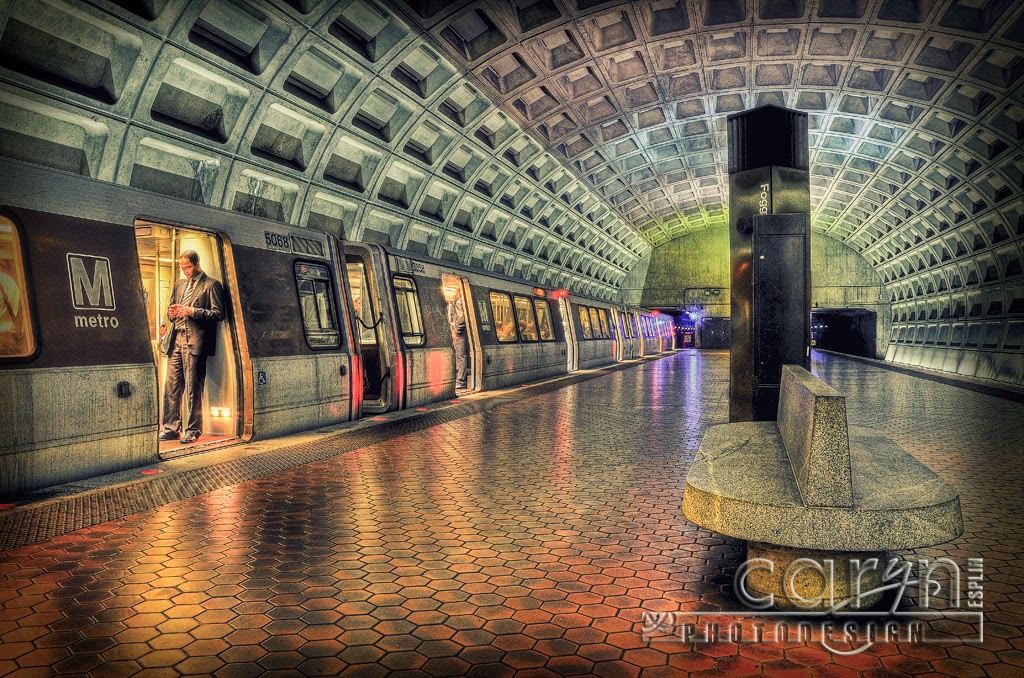
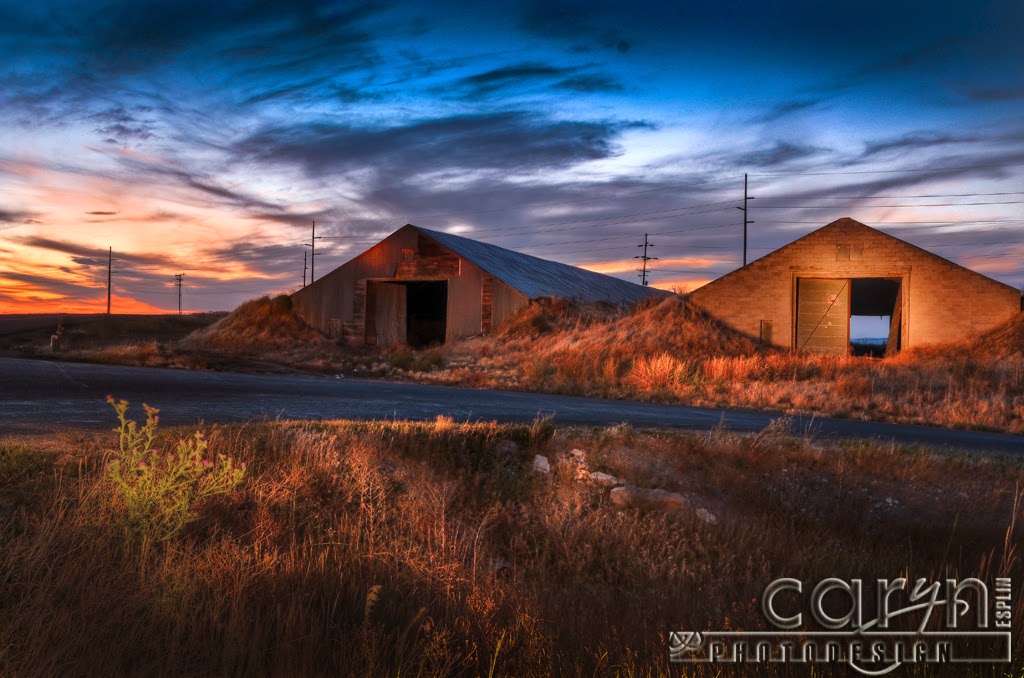
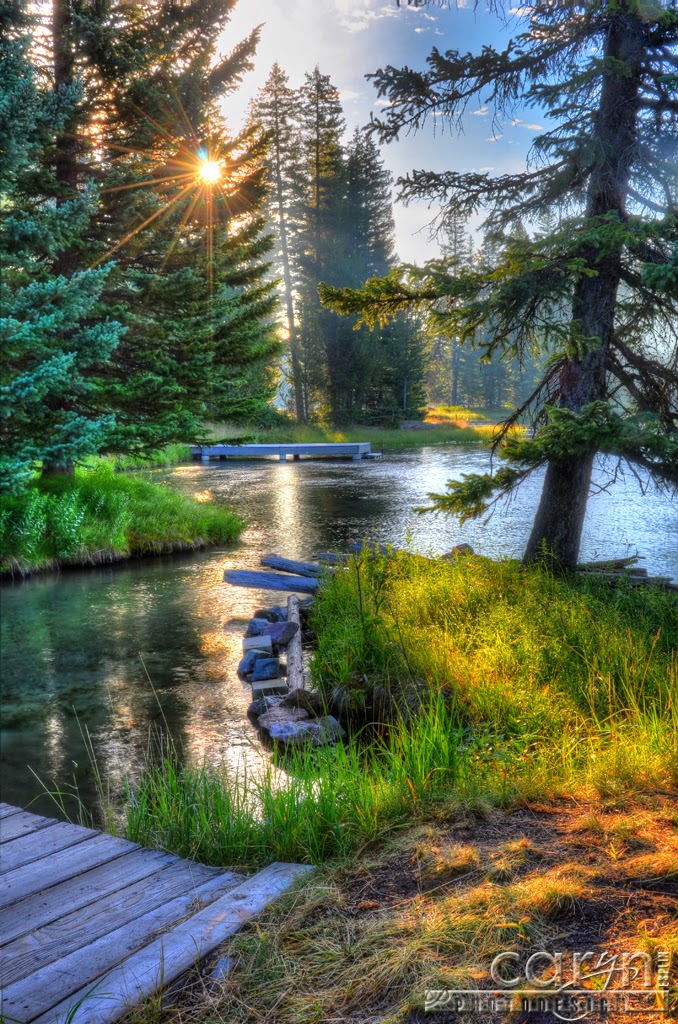
Photograph by Caryn Esplin
High Dynamic Range, or HDR for short, is becoming a widespread technique used by photographers, such as Caryn Esplin, who are keen to try their hand at distinctive creativity. This technique is also available to iPhone, as well as some Android users, where a HDR feature has been built-in to the phone’s camera capabilities. There is also the option to download the ‘Pro HDR’ app from App Stores.

As a talented and imaginative photographer, Esplin has taken photographic techniques, such as light painting and HDR, and combined them to create remarkable and effective photographs. Her portfolio also covers Macro, People, Places and Things. Esplin states that ‘photography and graphic design are some of my favourite distractions in life, so teaching something I love, couldn't be any better.’ (http://www.carynesplin.com/blog/)
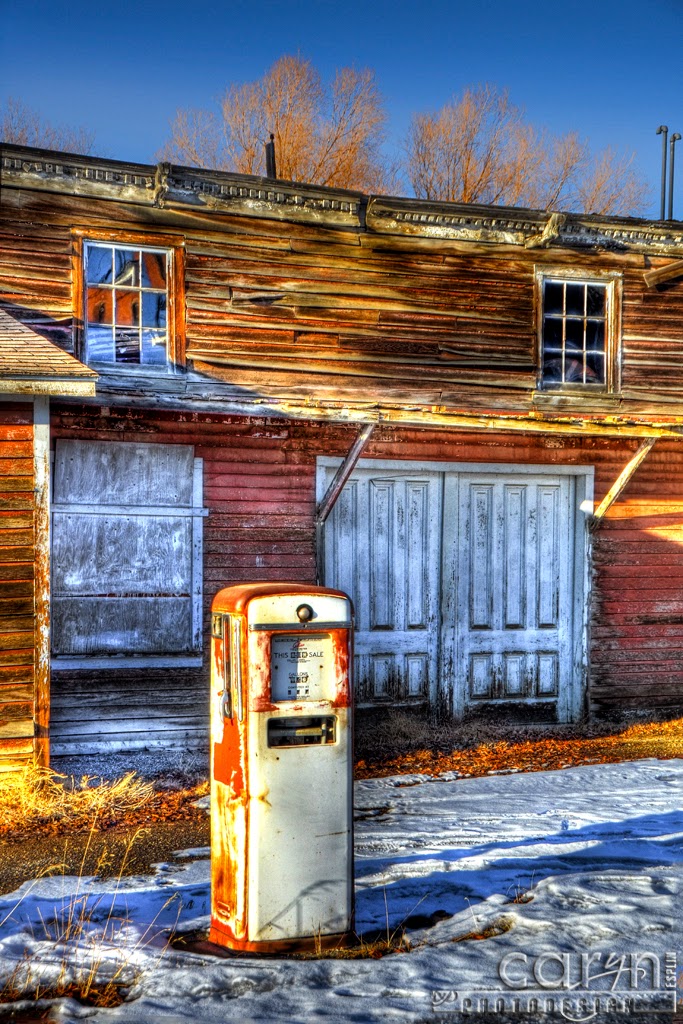
Photograph by Caryn Esplin
Esplin’s website not only showcases her work but also explains what goes on behind-the-scenes. Periodically, she explains the story or reason behind her images, how she achieved the end results and includes a step-by-step guide to assist others achieve similar outcomes. I believe that by sharing this additional information, it indicates Esplin’s willingness to disclose the ‘secret’ techniques and thought process behind her photographs. Many photographers do not explain the process required to achieve their end results, so perhaps this signifies a new trend which Esplin has started, encouraging other photographers to also share their artistic reasoning with others.

Many areas of photography are adopted by Esplin, however, one particular style to which I am drawn is the HDR photographs. These images are created by obtaining a few, or several, photographs at different exposures, then manipulating these images in a program by ‘layering’ one on top of the other. HDR can produce somewhat surreal or futuristic effects, which appear almost imaginary or pretend.
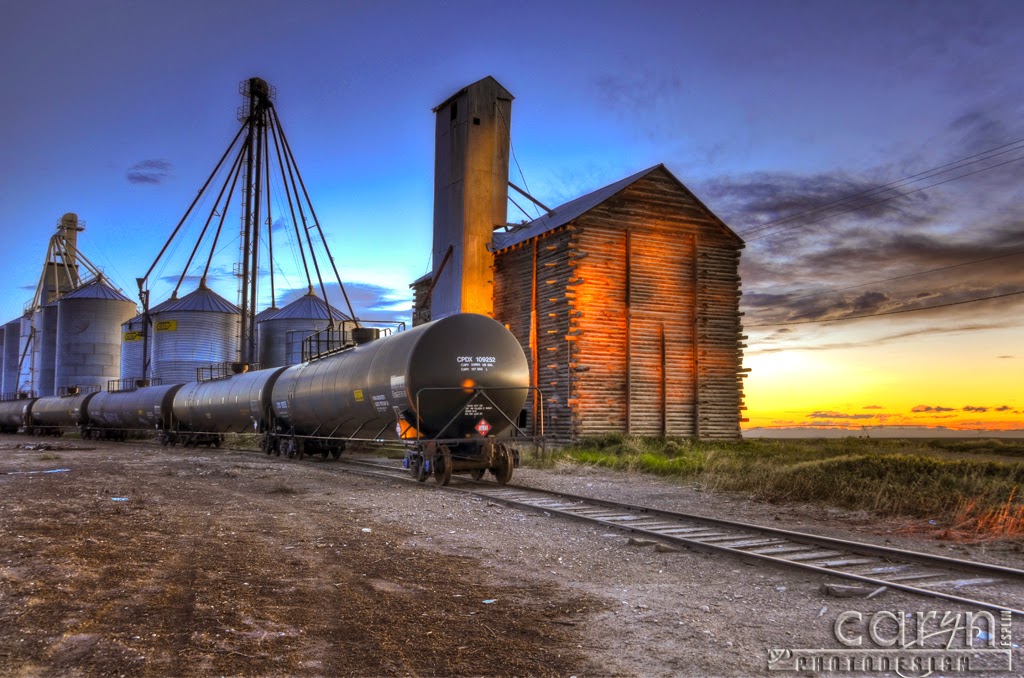
Photograph by Caryn Esplin
One particular photograph features a train and track situated in front of a large wooden building and silos. The resulting effects are produced by using a combination of techniques such as bracketing, light painting, HDR and Camera Raw. Esplin states that she achieved this result by firstly setting up her camera on a tripod at sunset and taking three exposures, also known as bracketing. Next, she painted the facing side of the large building in the foreground, with a light source. Esplin then opened the images in a program called Photomatix to achieve the HDR effect. Lastly, she edited the colours in Camera Raw. All of these steps combined create an interesting concept and effective images. Visit this link to learn more about how Esplin achieved her final result: http://www.carynesplin.com/bracketing-light-painting-hdr-camera-raw/

The following are a few more photographs by Caryn Esplin:
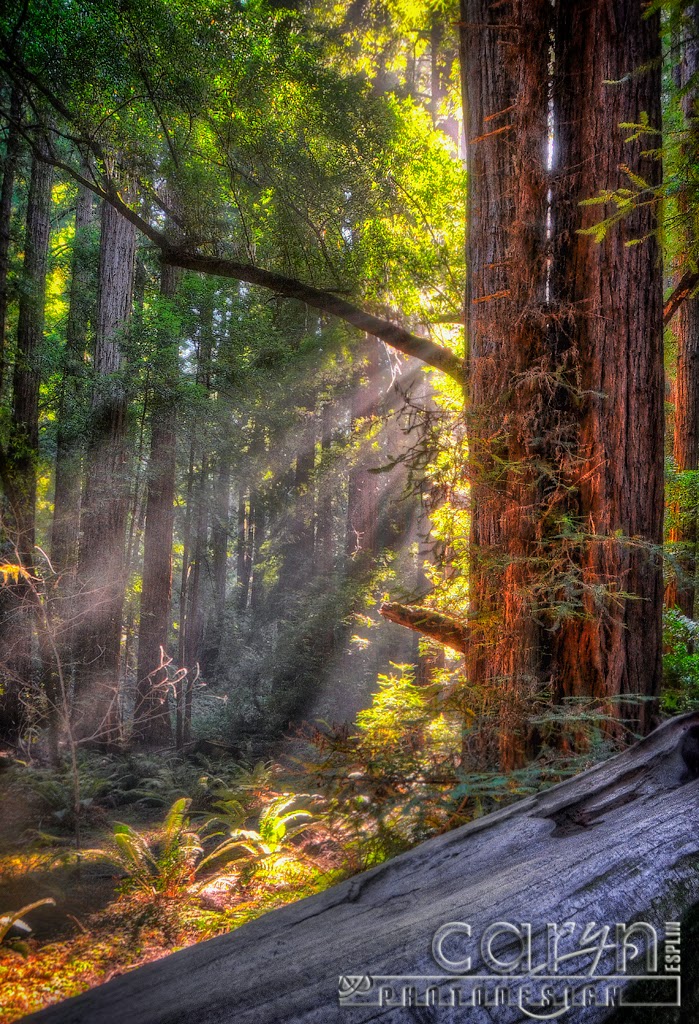
Photograph by Caryn Esplin

Photograph by Caryn Esplin


Posted by Chelsea

Tuesday, 22 April 2014

Light Painting

Image by Jon DeVaul
An interesting photographic technique, known as ‘light painting’, is a current, innovative photography trend. There are several ways that light painting can be approached. One technique involves ‘painting’ an object with light using either a torch, flash or any other object that provides light. Another technique is to shine a light source directly towards the camera lens and then ‘draw’ a shape or outline utilising that light. Using objects such as glow sticks, sparklers, steel wool and light wands can also create interesting results with light painting photographs.

Last year I experimented with painting with light and found it rather fun! Using a couple of small battery operated lamps and torches with bulbs that provided an ‘orange glow’, I painted the interior of an old school room on display in a museum. Light painting is an interesting technique that allows you to illuminate the intended points of focus, to achieve the most effective result for the image. It also allows a photographer to experiment with the distinctive type of lighting they are trying to achieve.

Image by Jon DeVaul
A good example of using light to create ambience within  a photograph, is an image by photographer Jon DeVaul. In his photograph depicting a saddle, DeVaul has lighted the object in such a way that effectively highlights the rich colours, textures and patterns of the old, worn saddle. To give an idea of perspective, he has painted part of the rail upon which the saddle is resting, as well as highlighting a few planks of the wooden door and rusty hinge in the background. This photograph provides a rustic, country impression. To see more of DeVaul’s light painting work, visit his website at: http://www.devaulphotography.com/index-slides.html?gallery=%22Light+Painting%22&folio=Portfolio.

Another photographer, Denis Smith, who I have recently discovered, also includes light painting in his portfolio. One of his projects titled ‘Ball of Light’ is ‘a unique photographic project that has touched the hearts of many around the world. Inspiring photography that brings ‘light painting’ to the public domain. The Ball of Light is created in a single exposure by swinging lights around. There is no “Photoshop” here at all. It is super challenging, and certainly adds a new dimension to long exposure photography.’ (http://www.denissmith.com.au/portfolio/ball-of-light/


Images by Denis Smith
Image by Denis Smith


Images by Denis Smith
Personally, I find the ‘Ball of Light’ series of photographs beautiful. The way Smith has located tranquil, peaceful landscapes and then placed a transparent circle or ball of light in each photograph, seems to instil a sense of calmness, peace and serenity. The colours used for the balls of light also suit the type of environment that Smith has chosen to photograph. For example, the yellow ball of light nestled in the side of the cave, both complements and provides contrast to the dark blue sky. To see a few more of the photographs from the series, visit his website at: http://www.denissmith.com.au/portfolio/ball-of-light/.

If you’re interested in giving light painting a go, visit the Chris Bray Photography website for a guide on how to paint with light, create light drawings, light orbs and fire wheels at: http://www.chrisbray.net/photography_tips_painting_with_light_how_to.php

Here is another image by Jon DeVaul and Denis Smith:

Image by Denis Smith
Image by Jon DeVaul


Posted by Chelsea